
Fox ESS vs Tesla Powerwall vs GivEnergy: An Installer's Comparison
We fit Fox ESS. You should know that before you read a word of this comparison, because every page you find on this subject is written by somebody selling something, and the ones that pretend otherwise are the ones to distrust.
What we can offer is the view from the installer's side: what these systems are like to fit, to commission and to support when something goes wrong three years later. That is a different perspective from a specification table, and it is the part most comparison pages leave out.
Everything you need to know
- All three are capable systems from established manufacturers, and none of them is a bad choice.
- Tesla Powerwall has the strongest back-up performance during a power cut.
- GivEnergy is British, which shortens the support and parts chain.
- Fox ESS is modular and widely fitted, which makes sizing flexible and installers easy to find.
Where each one wins
Taking the honest part first.
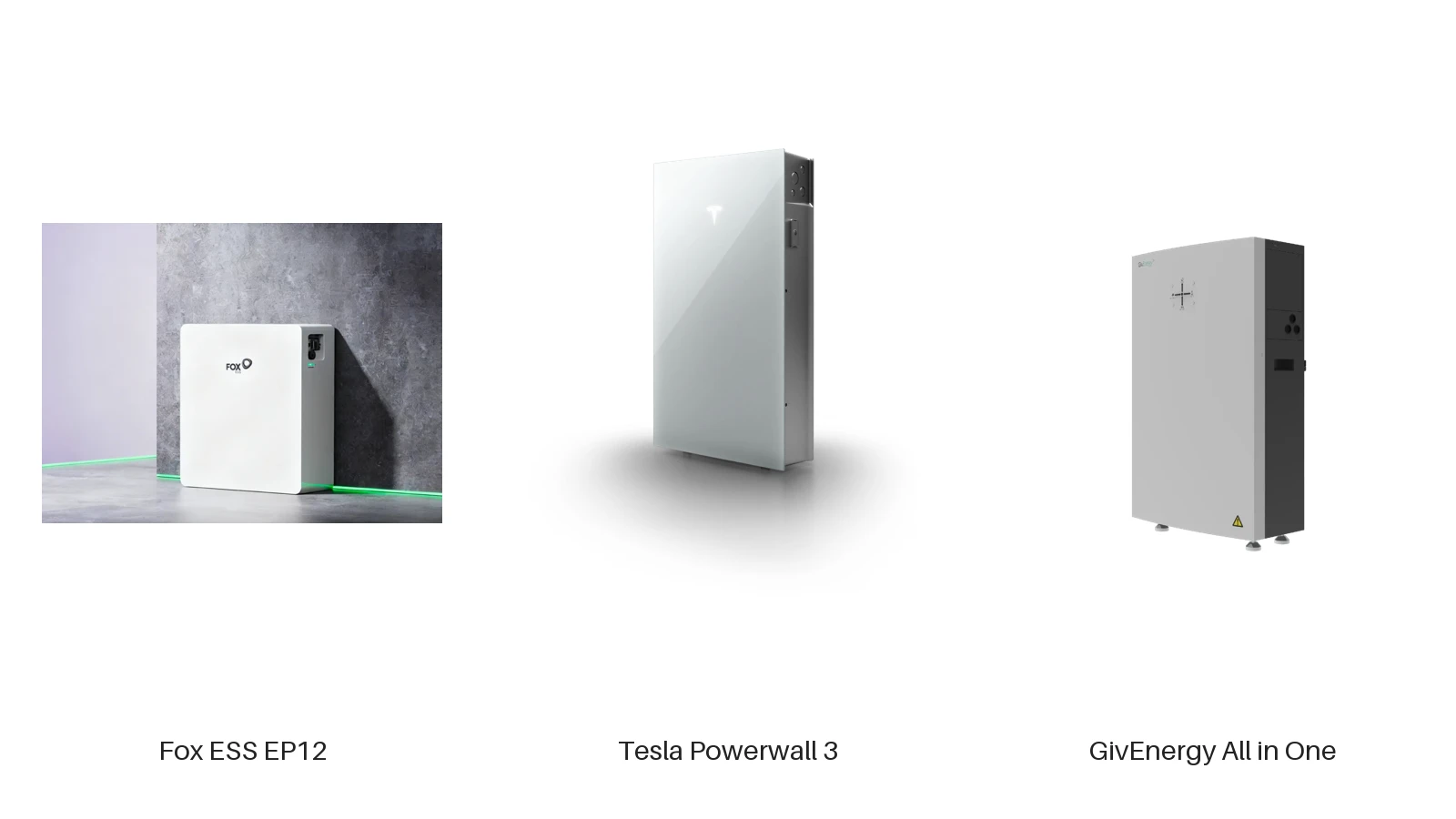
Tesla Powerwall does whole-home back-up better than the alternatives. If keeping the house running during a power cut is a priority rather than a nice-to-have, Powerwall is the system built around that use case and it shows. The app is also the most polished of the three by some distance.
GivEnergy is designed and supported from the United Kingdom. When a part is needed, it is coming from a British warehouse rather than an international supply chain, and the technical support line is in the same time zone and the same country. For some people that alone decides it, and it is a reasonable basis to decide on.
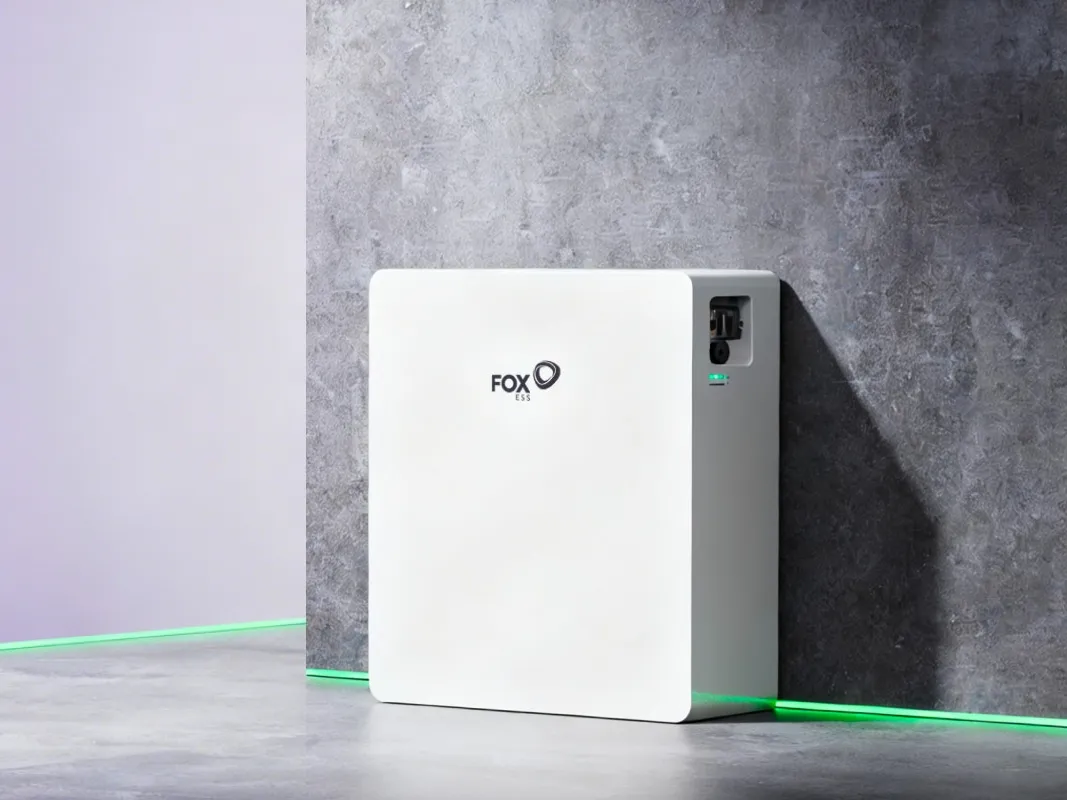
Fox ESS is modular and very widely installed. That means you can start with one unit and stack another later, and it means you are not dependent on a single installer remaining in business, because a great many companies fit and service them. Fox also make inverters and EV chargers, so a whole system can come from one manufacturer under one warranty route.
The comparison
| Fox ESS EP series | Tesla Powerwall | GivEnergy | |
|---|---|---|---|
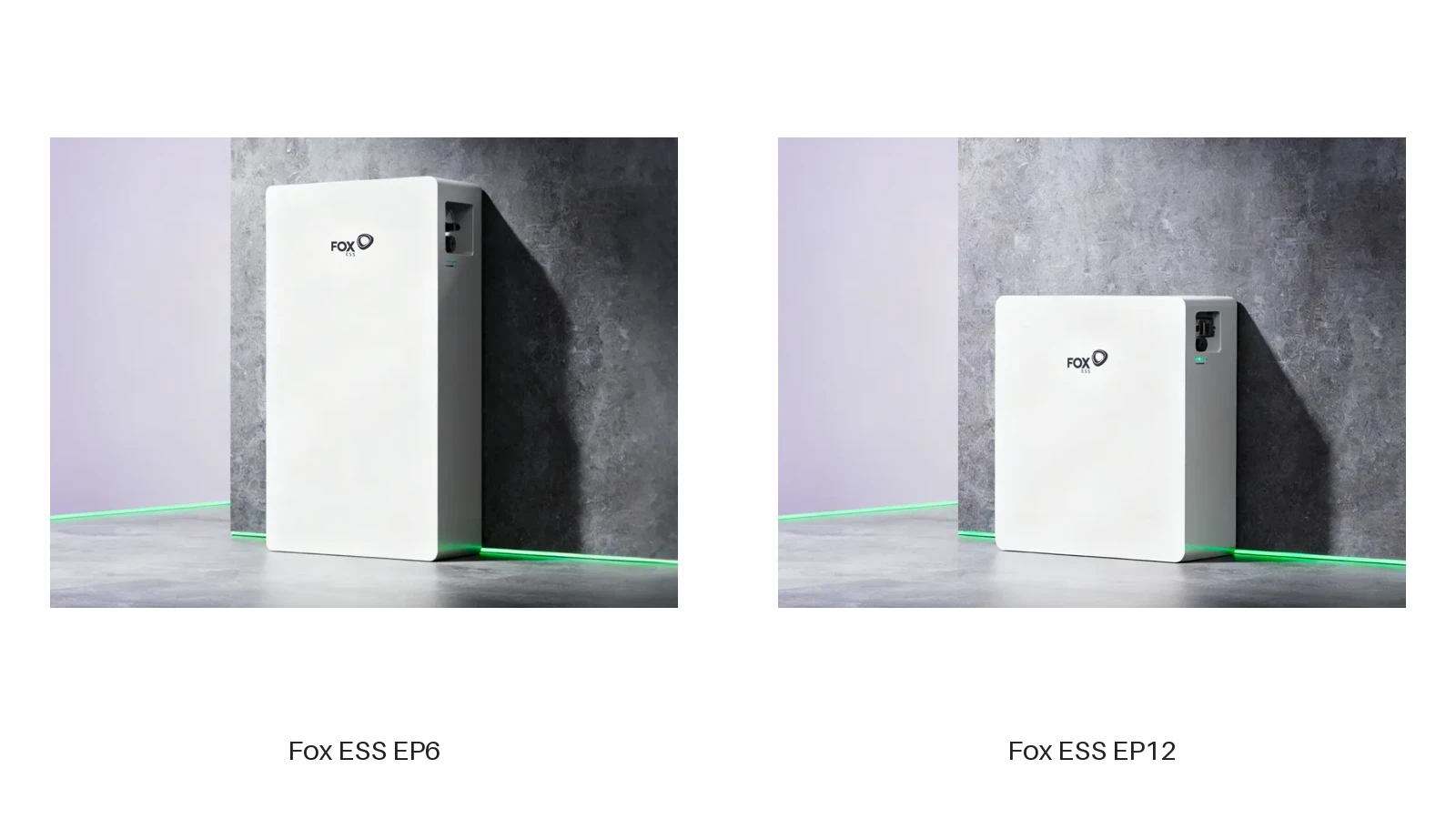
| Nominal capacity per unit | 5.76 kWh (EP6), 11.52 kWh (EP12) | [PLACEHOLDER] | [PLACEHOLDER] |
| Chemistry | Lithium iron phosphate | [PLACEHOLDER] | [PLACEHOLDER] |
| Modular | Yes, up to 4 units in parallel | [PLACEHOLDER] | [PLACEHOLDER] |
| Maximum capacity | 23.04 kWh (EP6), 46.08 kWh (EP12) | [PLACEHOLDER] | [PLACEHOLDER] |
| Depth of discharge | 90% | [PLACEHOLDER] | [PLACEHOLDER] |
| Round-trip efficiency | 95% or better | [PLACEHOLDER] | [PLACEHOLDER] |
| Cycle life | 6,000 or more, to 70% state of health | [PLACEHOLDER] | [PLACEHOLDER] |
| Warranty term | 10 years | [PLACEHOLDER] | [PLACEHOLDER] |
| Capacity retention guaranteed | [PLACEHOLDER] | [PLACEHOLDER] | [PLACEHOLDER] |
| Power cut back-up | [PLACEHOLDER] | Strongest of the three | [PLACEHOLDER] |
| App | Fox ESS Cloud | Tesla app, widely rated the best | GivEnergy app |
| Manufacturer base | China | United States | United Kingdom |
| Protection rating | IP65, indoor or outdoor | [PLACEHOLDER] | [PLACEHOLDER] |
| Mounting | Floor or wall | [PLACEHOLDER] | [PLACEHOLDER] |
| UK installer base | Very wide | Approved installers only | Wide |
The Fox ESS column is taken from the manufacturer's own published datasheets. The two competitor columns are deliberately left open rather than filled from memory or from reseller listings, which is where most comparison pages on this subject go wrong.
Every figure marked [PLACEHOLDER] is one we will not state until it has been checked against the manufacturer's own published documentation. There is a great deal of confidently wrong specification on the internet about all three of these products, much of it copied from reseller listings rather than datasheets, and we would rather leave a gap than add to it.
What the table does not tell you
Warranty terms are not comparable at face value
A ten year warranty from one manufacturer and a ten year warranty from another can mean materially different things, because the conditions differ. What voids it, what proportion of original capacity is guaranteed at the end, whether throughput is capped, and whether the warranty survives you moving house are all separate questions.
Ask any installer quoting you for the actual warranty document, not the summary on the brochure. If they cannot produce it, that tells you something.
Back-up during a power cut is not automatic
This is the single most misunderstood point in home batteries. Having a battery does not mean the house keeps running when the grid goes down. Back-up requires compatible equipment and specific additional wiring installed at the outset, and it is usually a separate line on the quote.
If back-up matters to you, raise it before anyone designs the system, not afterwards. Retrofitting it is considerably more involved than including it from the start.
Installer base matters more than people think
A battery is a fifteen year relationship with whoever fits it. If the manufacturer restricts installation to a small approved network, you are tied to that network for support. If the product is widely fitted, you have options if your original installer stops trading or you simply want a second opinion.
This cuts both ways. A restricted network means tighter quality control. A wide network means more choice and more variation in standards.
Choosing between them
Rather than a winner, here is the honest decision tree.
Choose Tesla Powerwall if whole-home back-up during outages is a genuine priority, you want the best app, and you are comfortable with the approved installer network.
Choose GivEnergy if British design and support matters to you, or if you want the shortest possible chain between a fault and a replacement part.
Choose Fox ESS if you want modular capacity you can extend later, a wide choice of installers for the life of the system, or a single manufacturer across battery, inverter and EV charger.
The thing that matters more than all three is who installs it. A well specified system badly fitted will disappoint you. A sensibly specified system fitted properly, commissioned carefully and registered correctly will not. The installation is the variable you have most control over, and it is where we would tell you to concentrate your scrutiny.
Questions worth asking any installer
- What annual kilowatt hour figure did you size this against?
- Can I see the actual warranty document for this battery?
- Does this quote include back-up during a power cut, and if not what would?
- Who registers the MCS certificate, and when will I receive it?
- If this develops a fault in year four, who do I call?
An installer who answers all five without hesitation is worth more than a slightly better specification.

FAQ
Which battery is best?
There is no single best battery, which is why this page does not name one. Powerwall is best for back-up, GivEnergy for British support, Fox ESS for modular flexibility and installer choice. The right answer depends on which of those three things you care about most.
You fit Fox ESS, so why should I believe this page?
You should weigh it accordingly. We have named what the other two do better than ours, and marked every specification we have not verified rather than filling it in. Judge the page on whether it helped you ask better questions.
Can you fit a Powerwall or a GivEnergy?
We install Fox ESS, and for the large majority of the homes we work in it is the right answer: modular, widely supported, and part of a range that covers the inverter and the charge point as well. Tell us what matters most to you at the survey and we will show you how the EP range handles it.
Does the manufacturer's country matter?
Mainly for support and parts. A fault on a British-made unit usually resolves faster, simply because the chain is shorter. It says little about build quality, which is a separate question entirely.
How long do home batteries last?
Beyond the warranty term in most cases, at gradually reducing capacity. Batteries degrade rather than fail at a fixed point, so the warranty tells you the guaranteed minimum rather than the expected life.
What if my installer goes out of business?
This is the strongest practical argument for a widely fitted product. With a common system another company can take over support. With a restricted network your options are narrower, which is worth weighing at the point of purchase rather than discovering later.
Want an honest assessment of what your home needs?
Get a Quote